Topology of the Invisible
From the infinitely small to the scale of the world, photography becomes a journey. Topology of the Invisible reveals nascent worlds and imaginary beings born from a fragment of nature.
By harnessing the imperfections of film, its unpredictable chemistry, and the wavering gaze of ancient lenses, the project opens a space for apparition, where matter metamorphoses into vision.
In the black and white of film, matter unfolds like a world. Under the gaze of the macro lens, a tiny fragment of nature becomes a territory of apparitions: mountains, creatures, rivers, and shadows that will live only here—in the image, the negative, the print, the grain. Light gives birth to forms, gray connects them, and from silence, beings are born that inhabit the secret space of the visible.
World 1: The Sapling Verticals
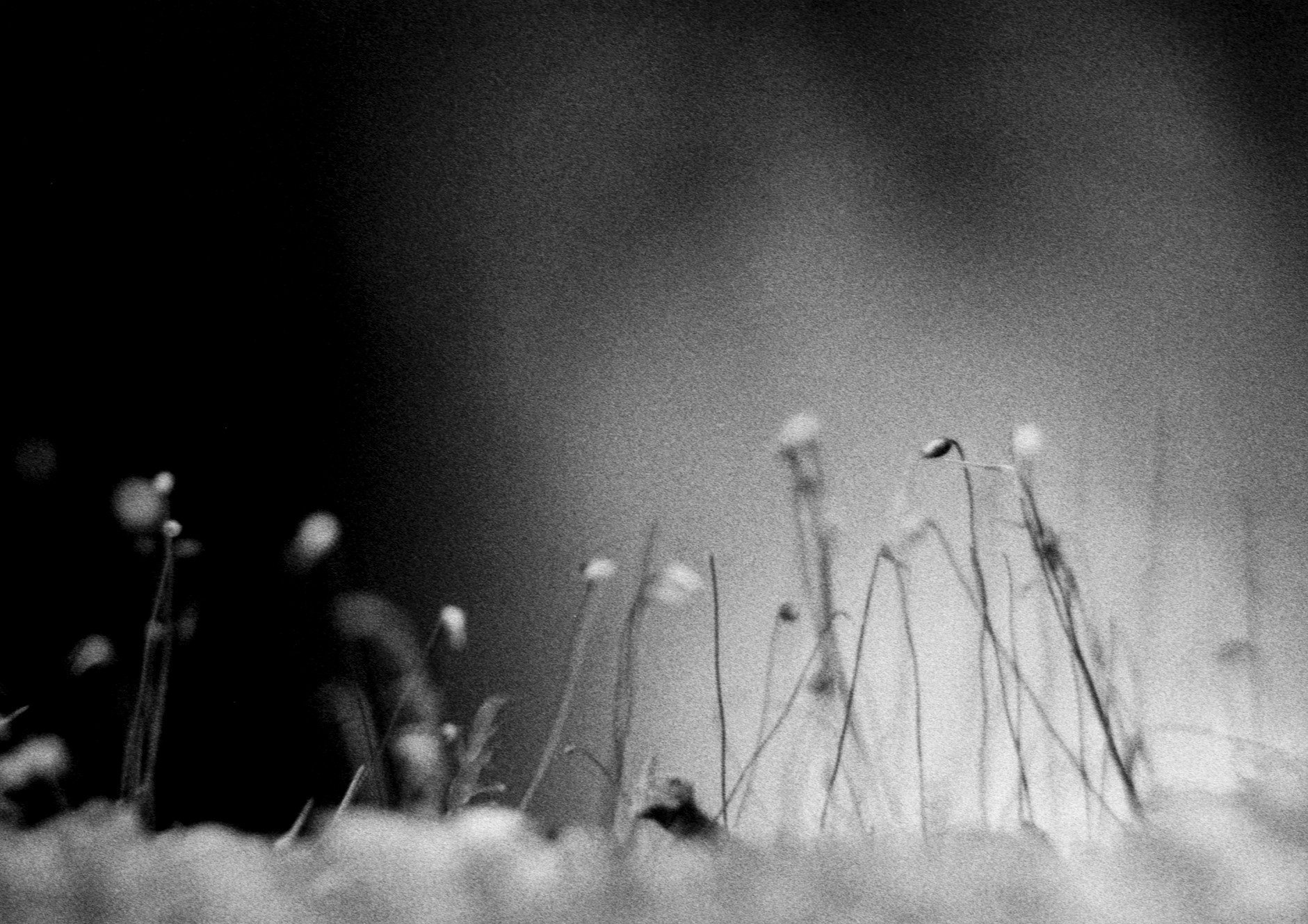
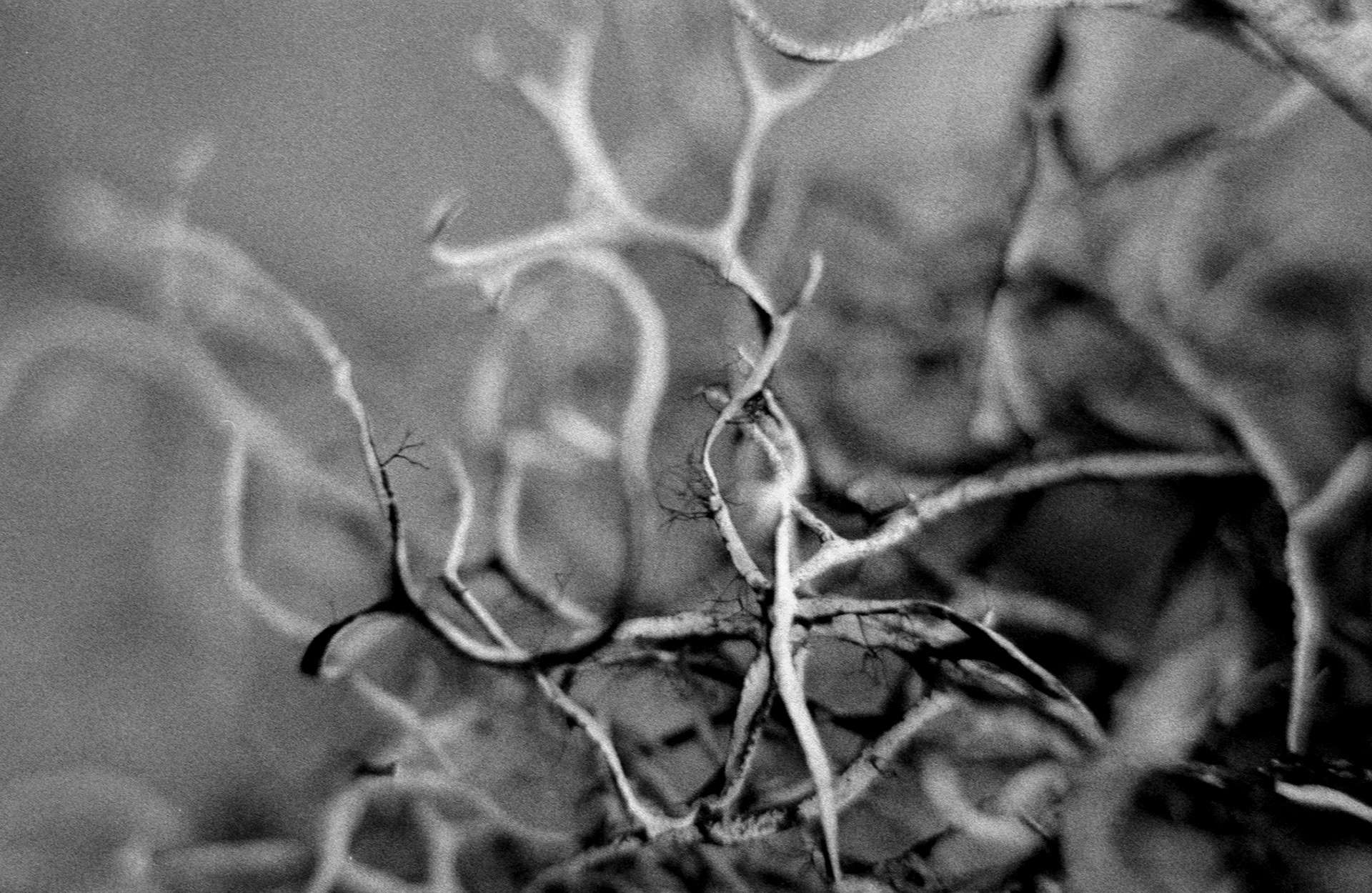
From the most intimate depths of the earth germinates a forest of lines. From a simple vegetal fragment, barely visible to the naked eye, an organic geometry is born: slender shafts and delicate trunks that trace a cartography of growth in space.Under the lens, the stem turns into a column, the blade of grass into a cathedral trunk. These miniature forests, born from grain imperfection and the blur of ancient lenses, become the territory of silent metamorphoses. Light, filtering through these groves of the invisible, sketches clearings of silver and deep shadows where beings of the between-world could find shelter.
Here, the macro reveals the ambition of the small: to erect itself into a landscape, to construct an architecture of the fragile. This is the birth of a world where the ephemeral aspires to the eternity of black and white.
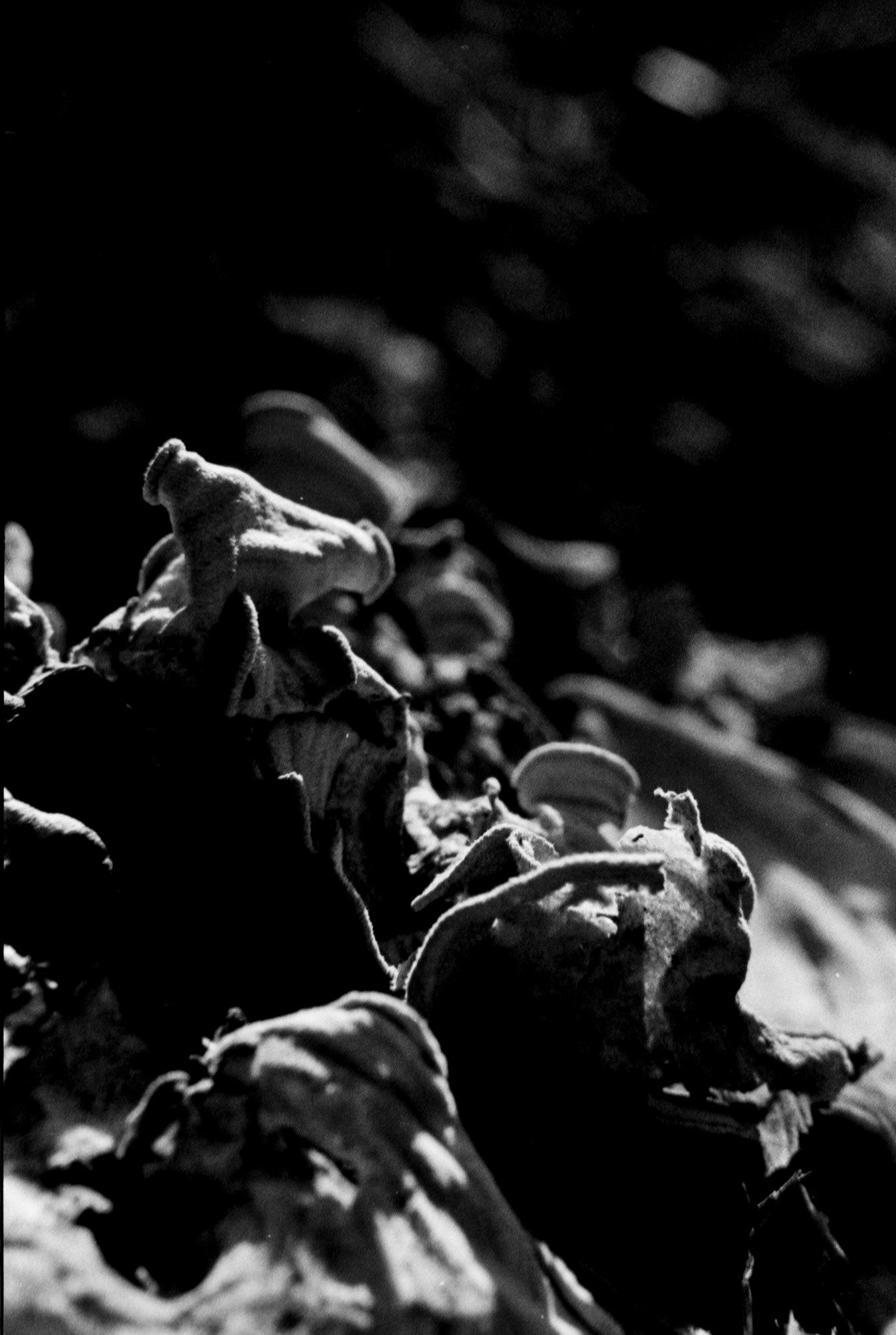
World 2: Fungal Geometries
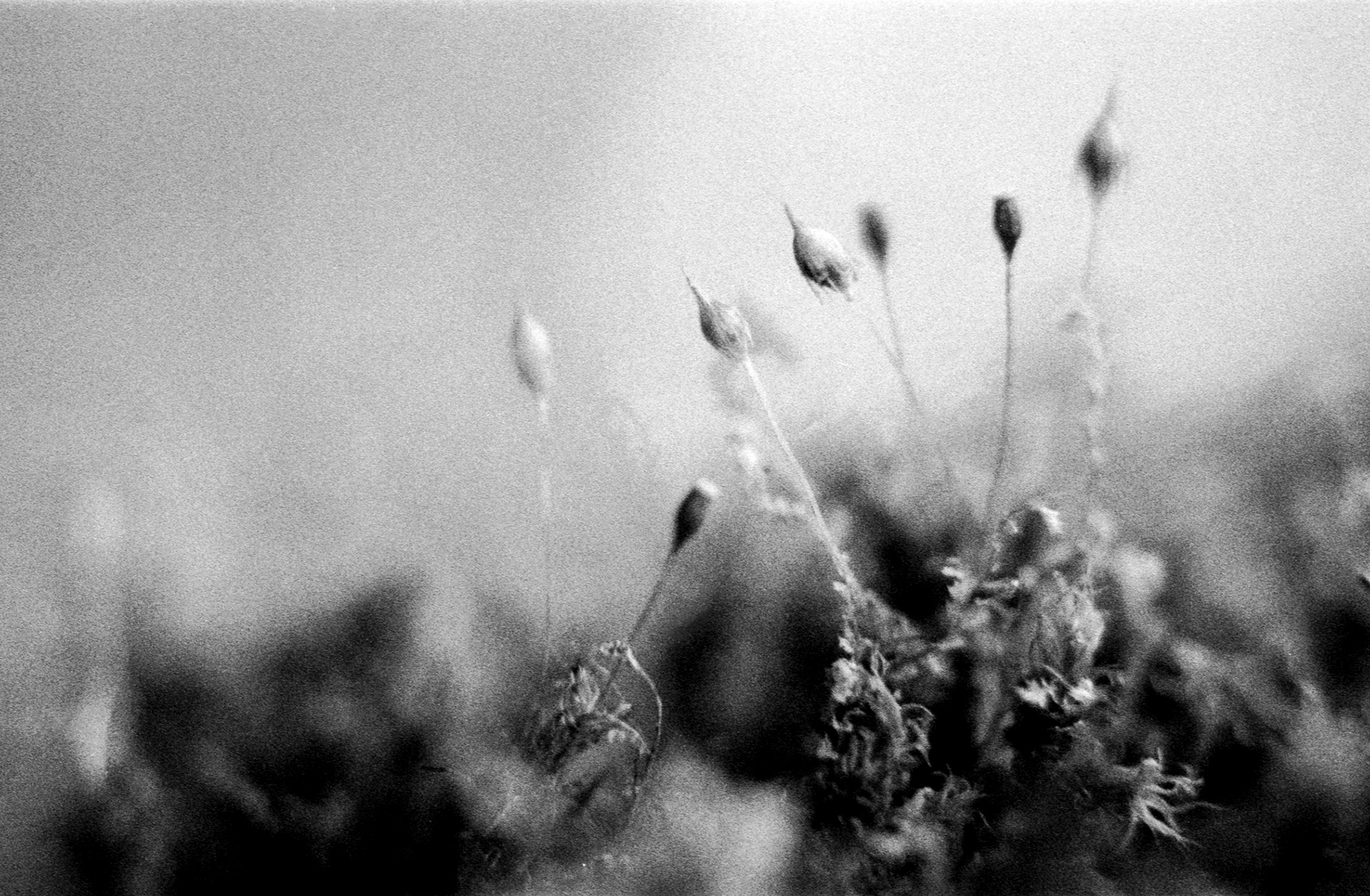
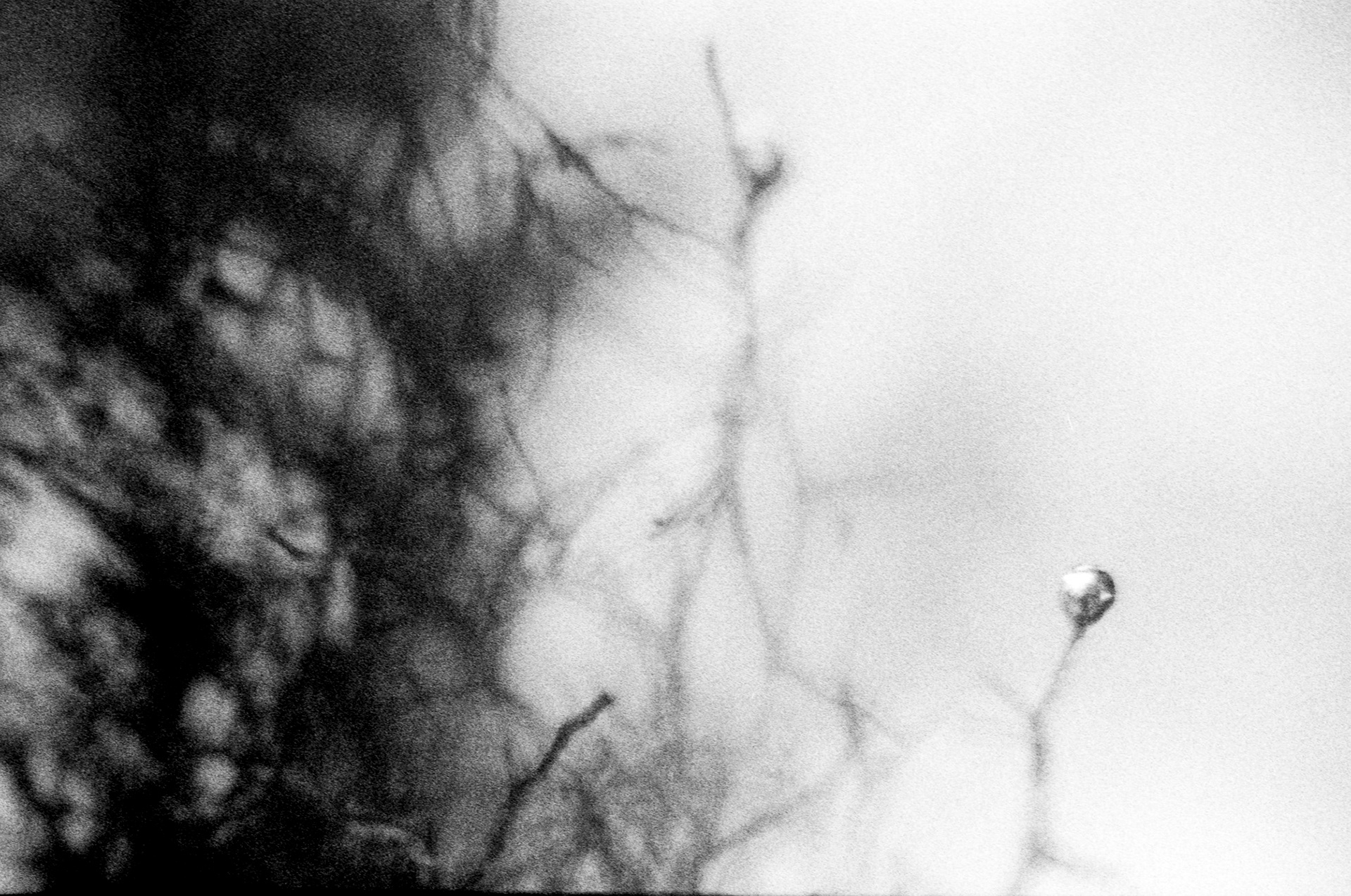
Here, the visible becomes porous; the border between inside and outside fades. The macro lens no longer captures a mushroom; it probes the rugged topography of an unknown astral body. These labyrinthine architectures become craters, canyons, sinuous valleys: an organic geology born of humus and shadow.
Each cavity is a microscopic crater, each fold a basaltic cliff. The fungal matter, both solid and airy, constitutes the soil of this Lilliputian planet. The raking light of the terrestrial day simulates the glow of a distant sun, modeling the relief and carving deep shadows where ancient, dried-up rivers could have flowed.
This is the cartography of a miniature cosmos: not a simple apparition, but the evidence of a parallel world. The grain of the film becomes stardust or Martian sand, recording the vibration of a life that pulses no longer under the surface of the bark, but on the scale of a universe.
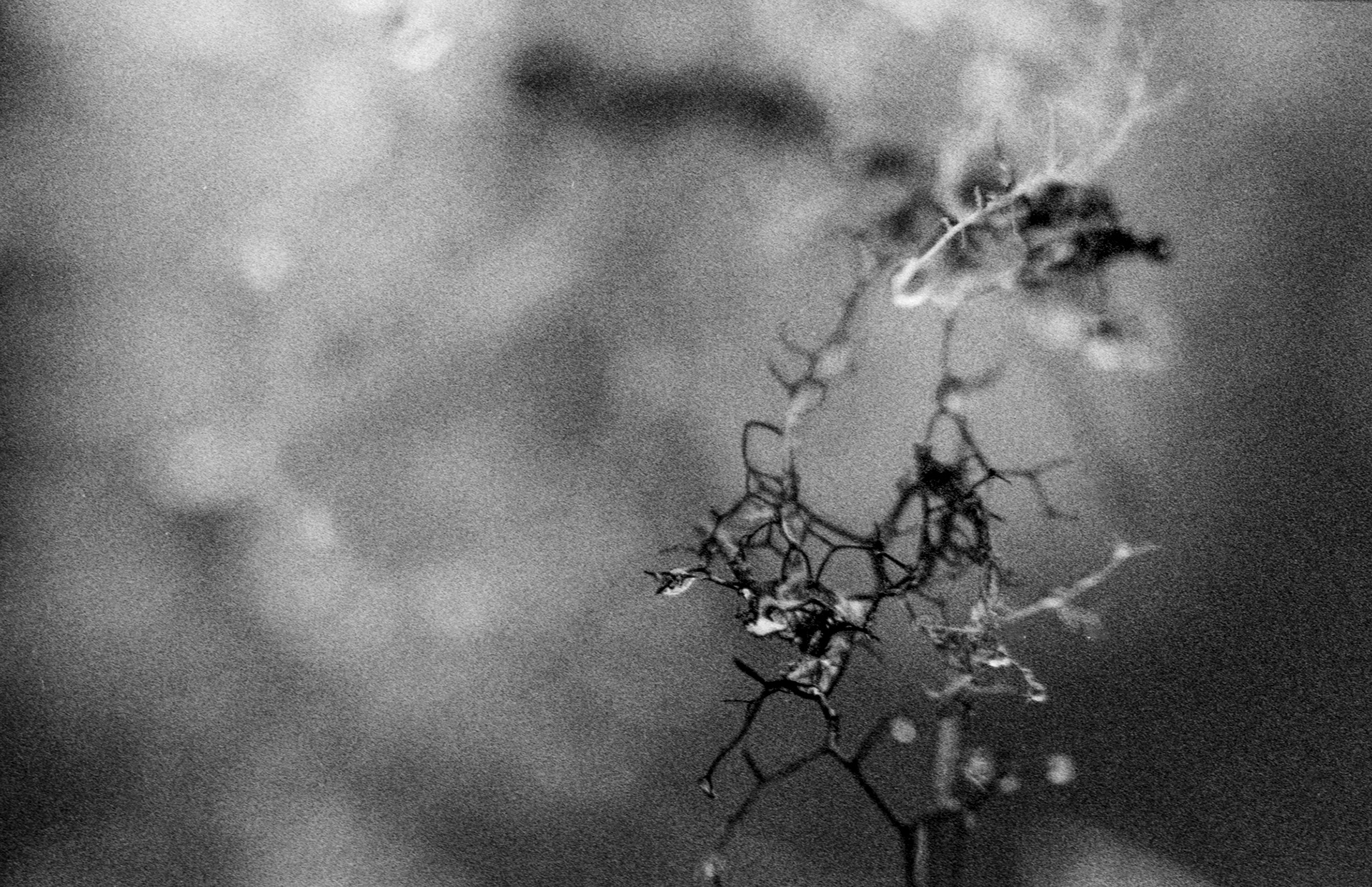
World 3: Aerial Roots
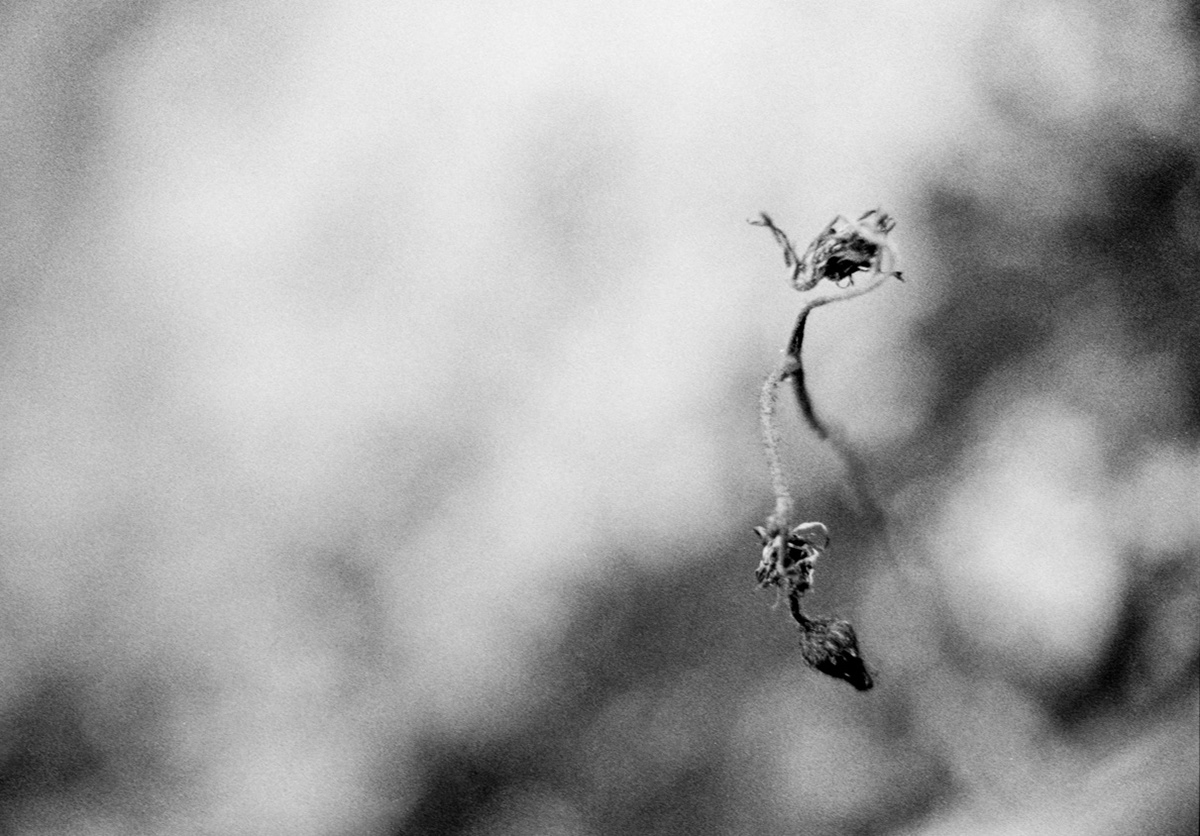
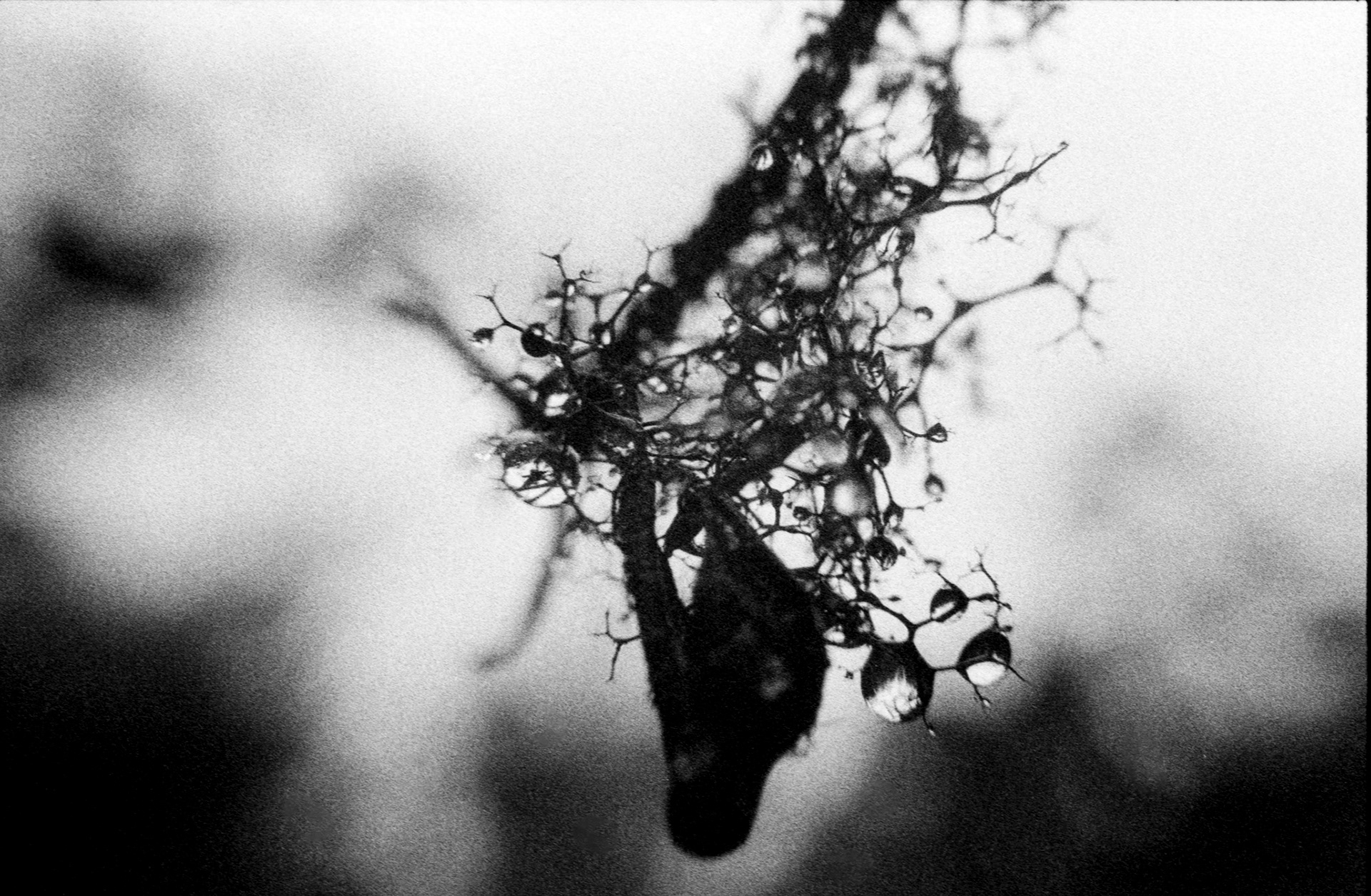
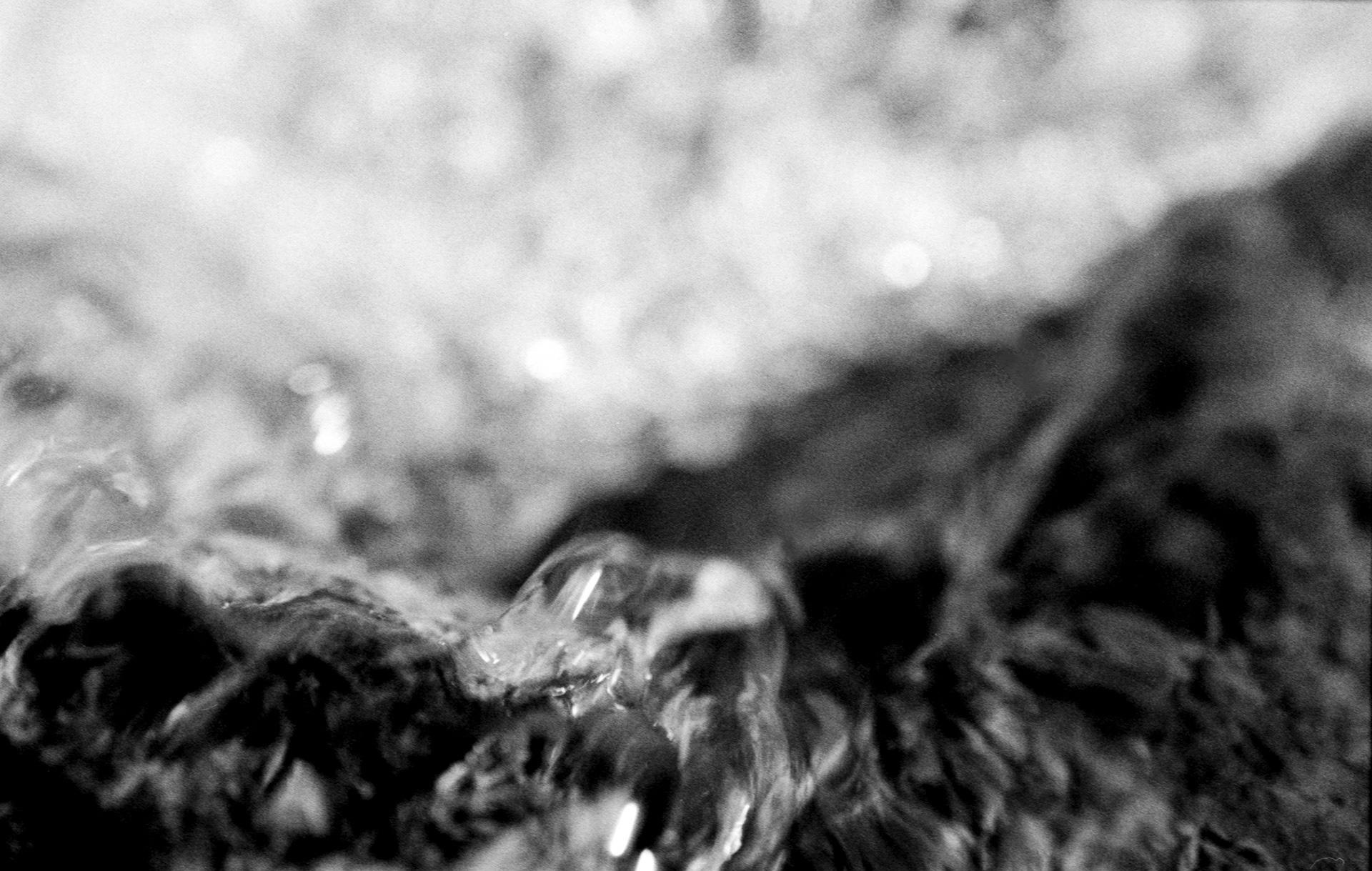
Here, the landscape strips down to its essential architecture. Suspended against a depthless background, the roots and branches reveal a universal pattern: a nervous cartography that is that of the world, of a brain, or of the starry night.
These fragile networks are the veins of the Andean páramo, capturing water from the sky at over three thousand meters; they are the branches of coral, weaving the architecture of a reef in the abyssal darkness. The black or grey background is no longer a backdrop, but a primordial cosmos, a space of pure potentiality where these structures rise like inverted trees.​​​​​​​
In this void, the woody matter becomes calligraphy: a system of vegetal synapses and secret routes. The water droplets, dewdrops or tears of the visible, become high-mountain lagoons or planets suspended from these fine branches, reflecting entire worlds in their perfect sphere.
At times, the whole evokes a cosmic spider, spinning its web not to capture prey, but to hold the void and make of it a habitat. This is the very blueprint of apparition: from silence and darkness is born the fragile trace that supports all existence—the aerial and submarine root of all that can be seen and imagined.
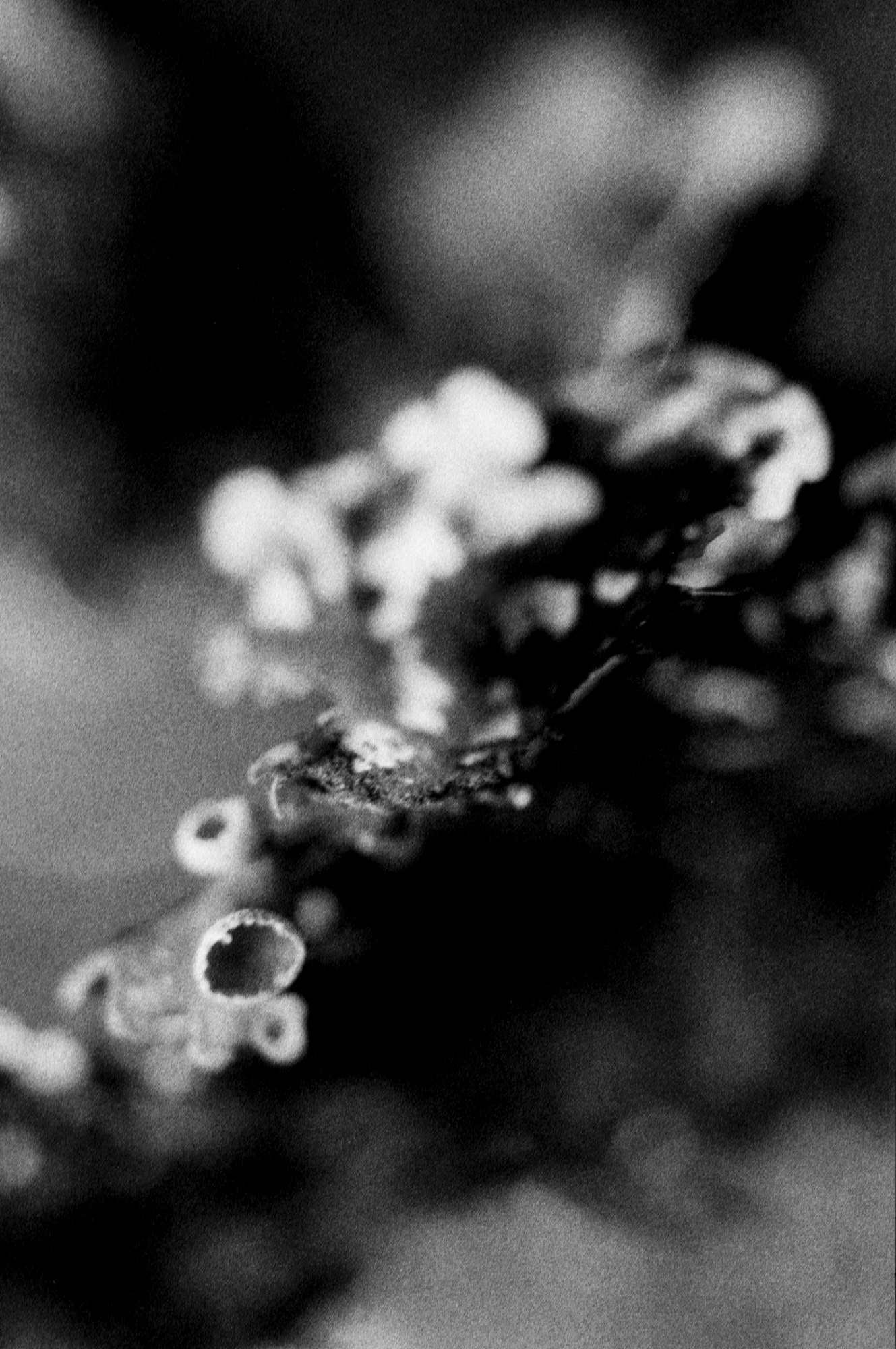
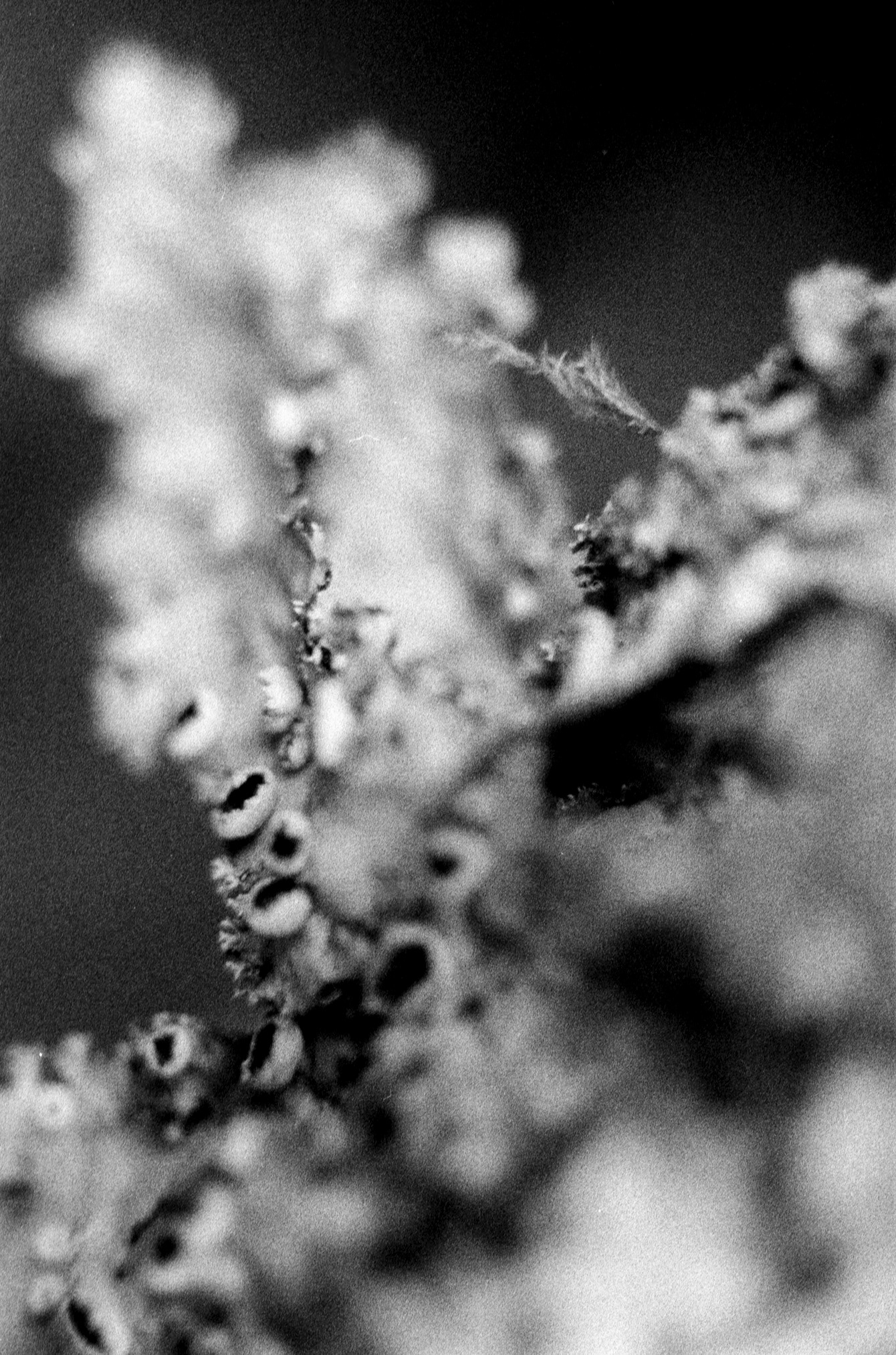
World 4: On the Threshold of Apparition
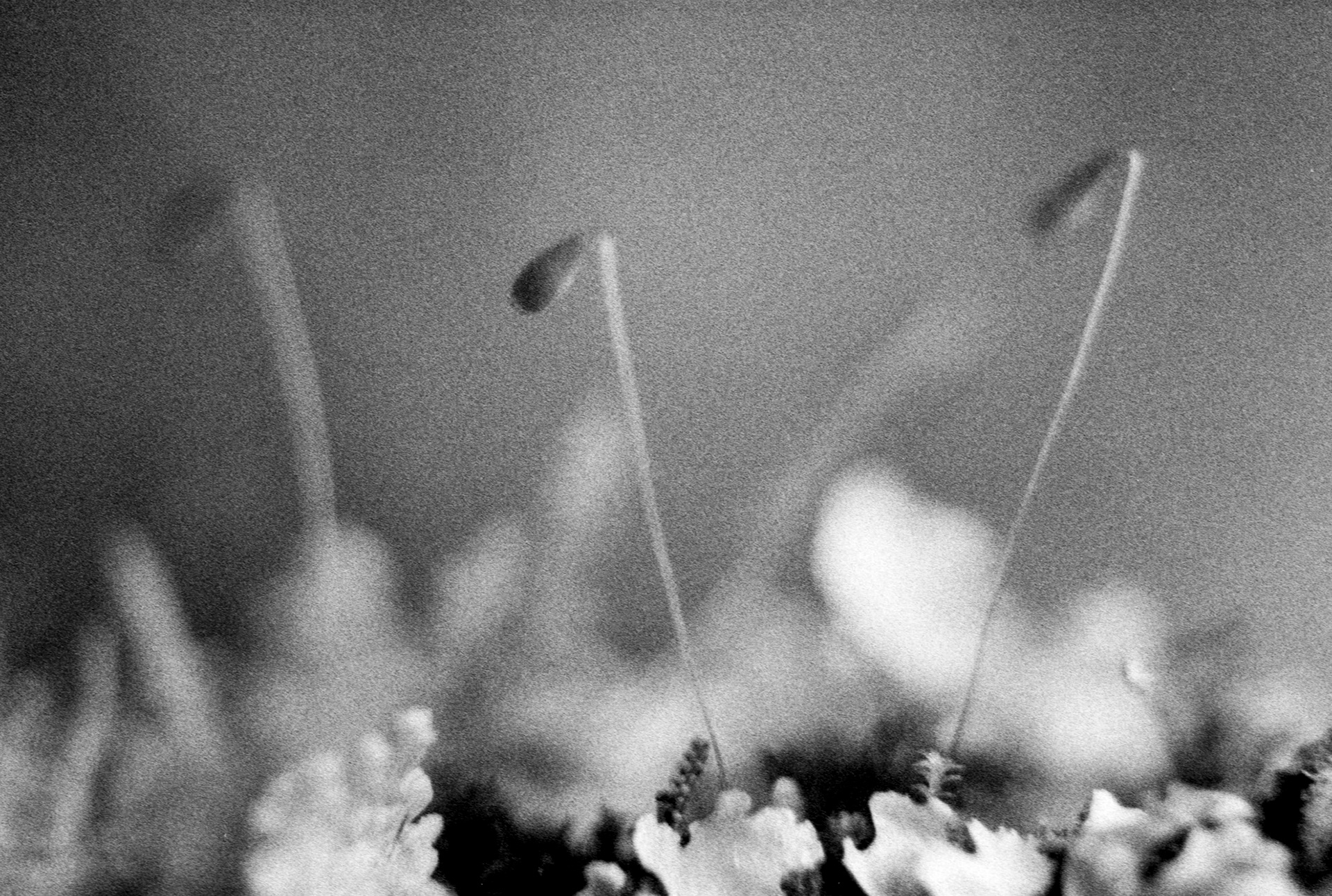
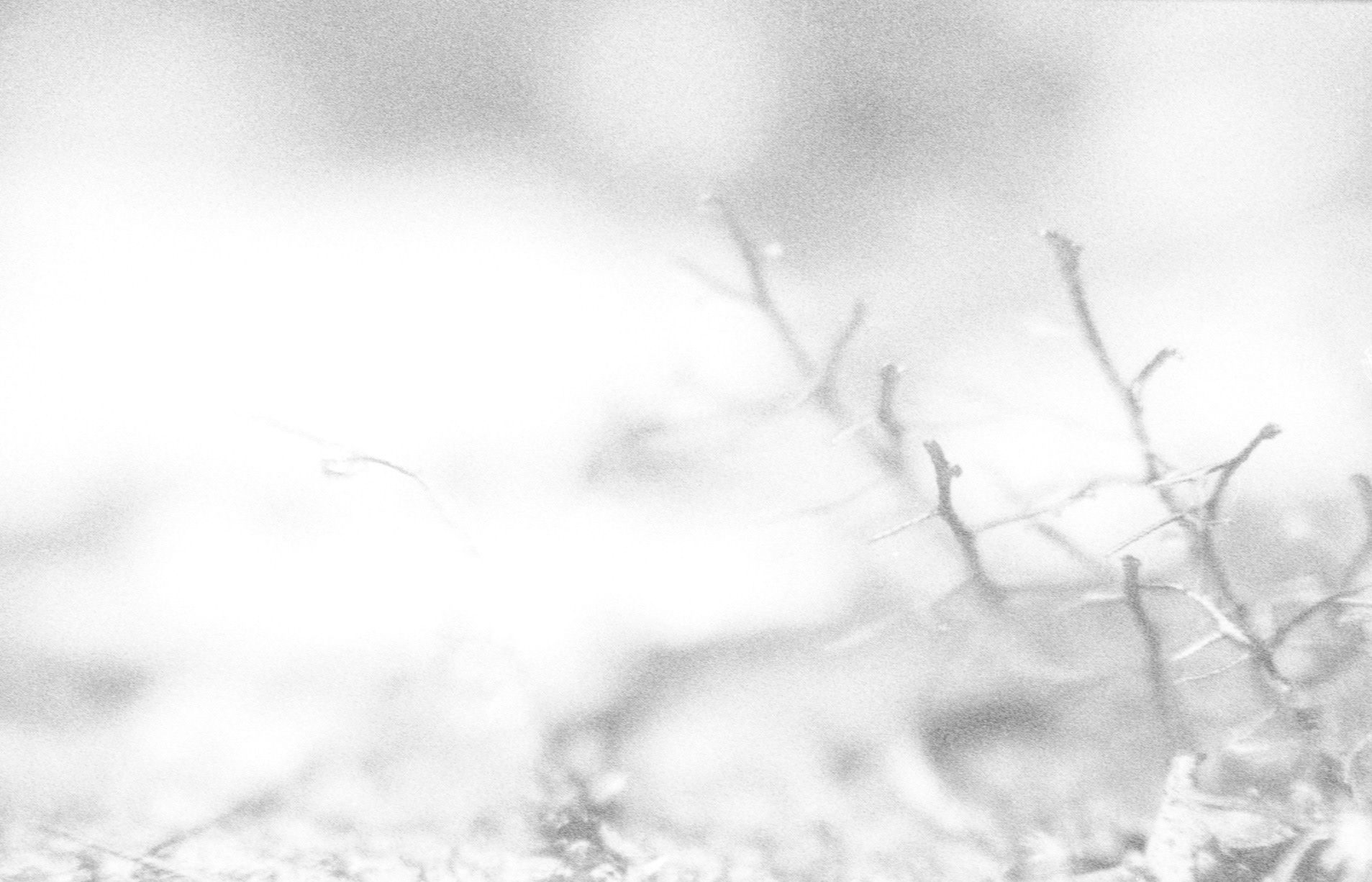
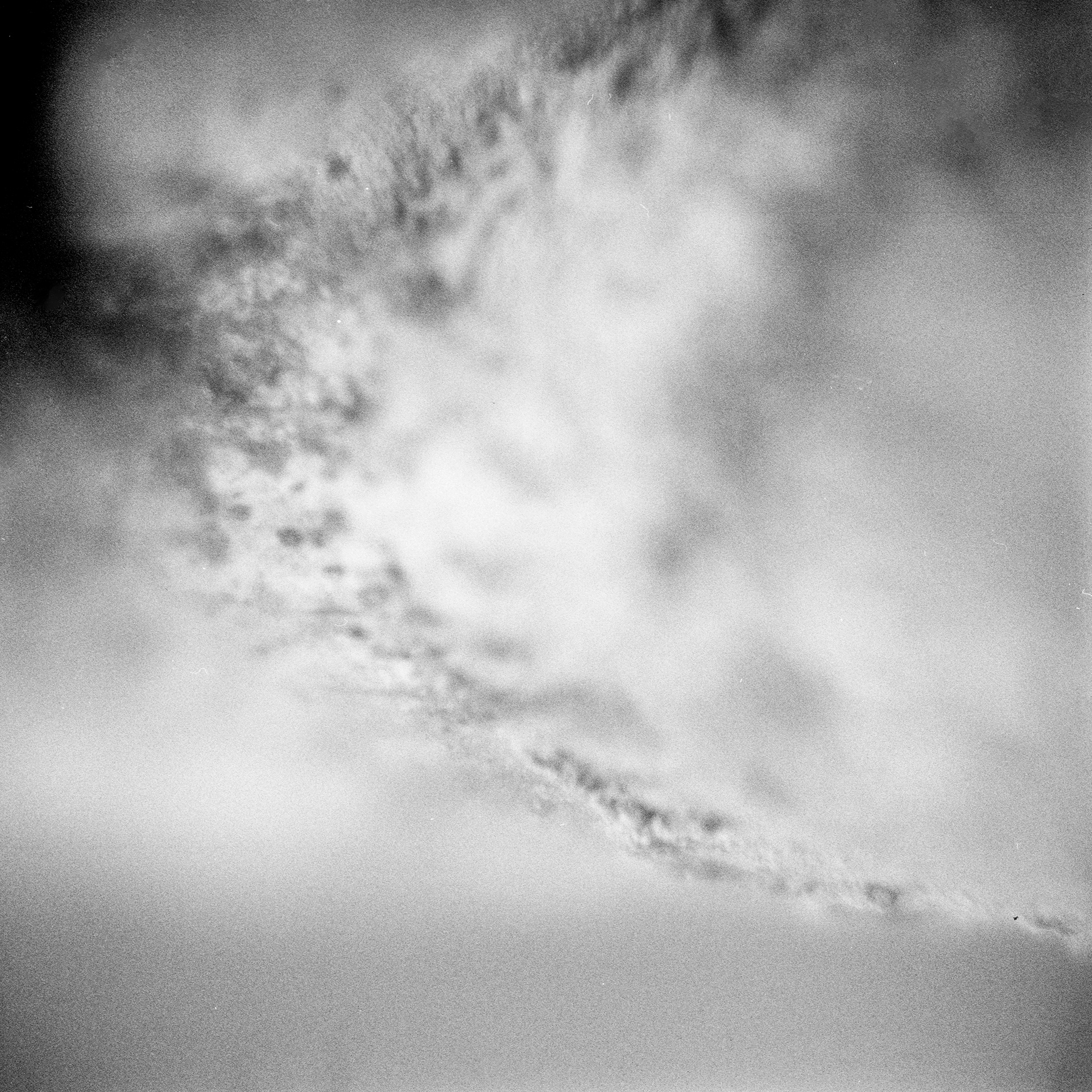
Here, the journey achieves its ultimate metamorphosis. It no longer seeks to reveal the world, but to break free from it. Form deliberately dissolves, whether through the mastery of a technical "accident" or a fully assumed gesture, to cross the limits of apparition and reach the realm of pure sensation.
The extreme blur, welcomed as an ally, and the mastered "accidents" of the silver-based matter, are no longer traces of the real, but the gates to a parallel world. In this profound immersion, the last vestiges of the landscape give way to an interior geography. Light and shadow, freed from their duty of representation, compose atmospheres where the eye no longer perceives, but intuits and imagines.​​​​​​​
This is the topography of after-reality. A space where technical precision abdicates in favor of a superior poetic truth. We are no longer in front of an image, but on the threshold of our own vision: a silent place where the forests, geometries, and roots of the previous series regain their original state of tremor and pure potentiality.

You may also like

Back to Top